Self-paced courses
Our brand new Moodle learning platform offers a variety of self-paced courses on working with natural science collections and object-related data. The courses cover key topics such as the handling and reuse of research data, legal and ethical issues in fieldwork, data improvement and enrichment, text recognition, machine learning, and Open Science. For more details, check out the course descriptions. After successfully completing each course, you will receive a certificate. There are badges to be earned along the way, so get started!


Basics of Automatic Text Recognition (ATR)
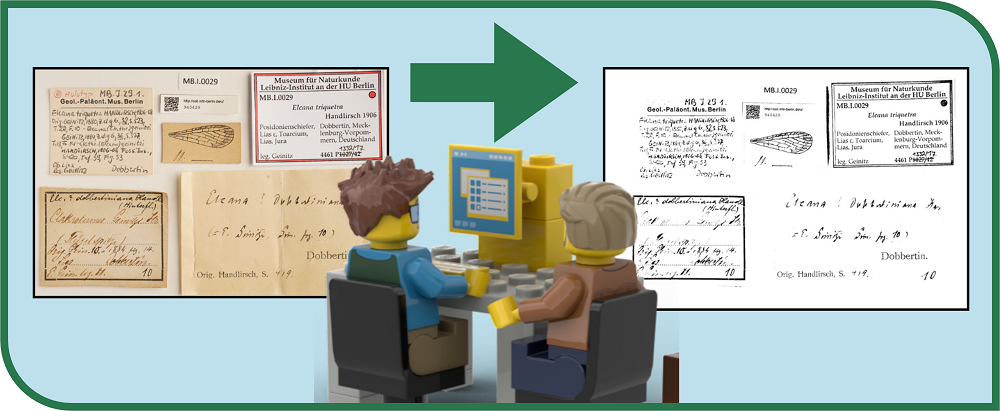
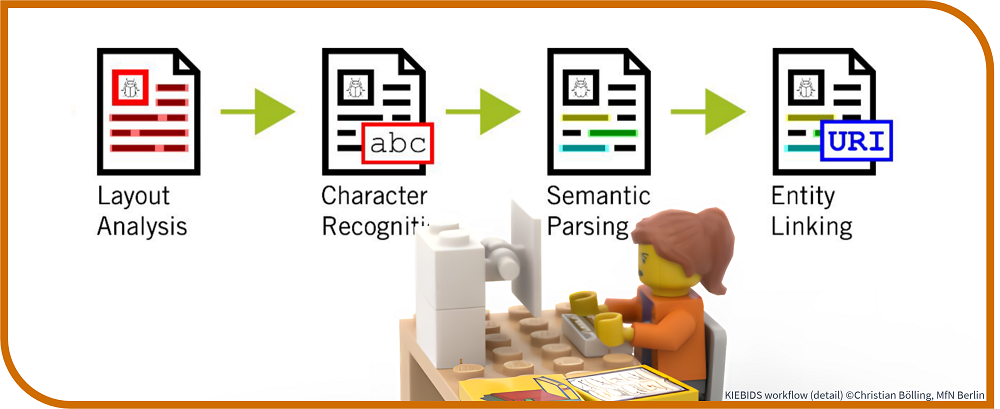
This course introduces the basic concepts and workflows of automatic text recognition (ATR), including the compilation and preparation of the text corpus, common software and transcription platforms, and best practices for fine-tuning existing text models to your own corpus. Upon completion of the course, participants should be able to assess the benefits and costs of ATR for their own research projects and to try out common platforms (e.g., eScriptorium, OCR4All, Transkribus) for themselves.
Regulatory Frameworks for Research Projects Involving Field Data Collections and Sampling of Objects
This course provides an overview of the legal, ethical, and institutional frameworks for field research and sampling, including key principles and regulatory instruments such as CARE, FPIC, and the Nagoya Protocol. Through case studies and simulations, participants learn to identify stakeholders, manage authorization and participation processes, and critically evaluate risks and planning in research projects.
[coming soon]
Advanced RDM-Concepts in Managing Natural Science Collections
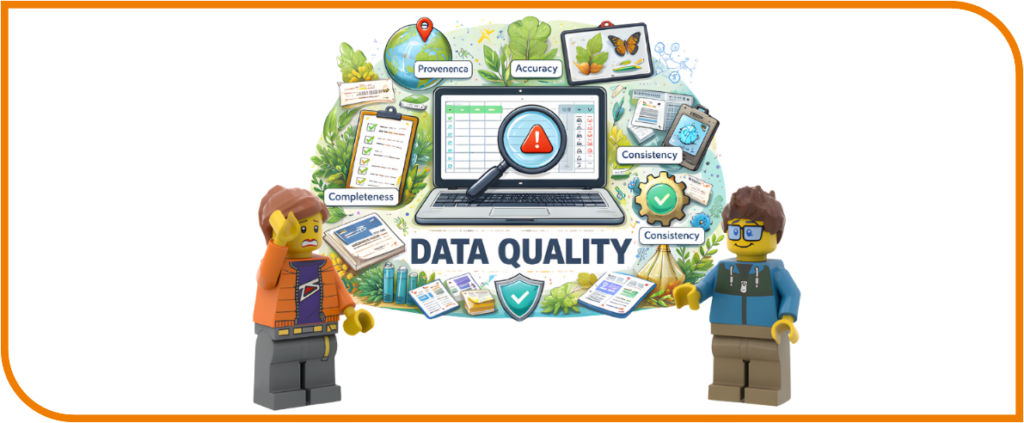
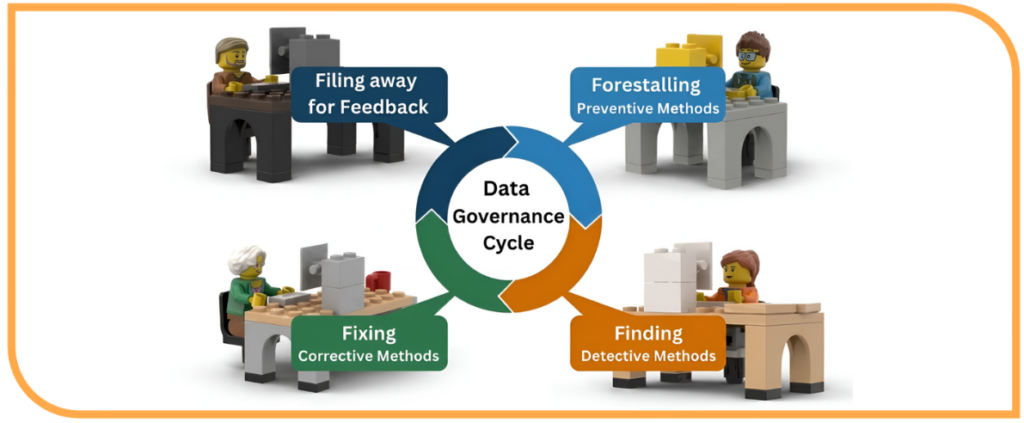
This advanced, practice-oriented course builds on core competencies in research data management (RDM) for natural science collections. Participants will learn to define and evaluate data quality, apply community metadata standards, and gain an overview of collection management systems and their workflows, as well as aspects of data governance, while consistently taking into account the ethical and legal dimensions of RDM. Accompanying exercises complement the course.
[coming soon]
Research, Reuse, and Publication of Object-Related Data According to the FAIR-Principles
The online self-study course introduces the concept of data reusability and provides information on licenses and citation methods for datasets. It provides an overview of the relevant repositories and aggregators for natural history, collection and object-centered research data and deals with the necessary metadata and persistent identifiers for researching and publishing datasets.
[coming soon]
Enrichment & Contextualization of Object-related Collection Data
This course introduces methods for harmonizing, validating, enriching, and contextualizing object and find data. Through practical examples, participants learn how semantic enrichment with standards and taxonomies transforms heterogeneous raw data into structured and linked research data.
[coming soon]
Machine Learning for Dummies
This course introduces the basic concepts and workflows of machine learning, including supervised and unsupervised models. The course presents use cases for the recognition or classification of objects and the analysis of enriched data using no-code/low-code standard solutions. Examples are drawn from the fields of natural history collections and archaeology, but can be applied to other areas of research. Participants will learn to assess the benefits and costs of machine learning with retrained or proprietary models for their own research projects and carry out such projects in collaboration with computer scientists as subject matter experts.
[coming soon]
Open Science for Object-related Research
This course introduces the principles of Open Science and how it promotes scientific and societal progress, focusing on integrating Open Science into research with object-related natural history data. Participants learn how to publish according to Open Science principles and reflect on practical, policy, and cultural challenges in its implementation.
[coming soon]